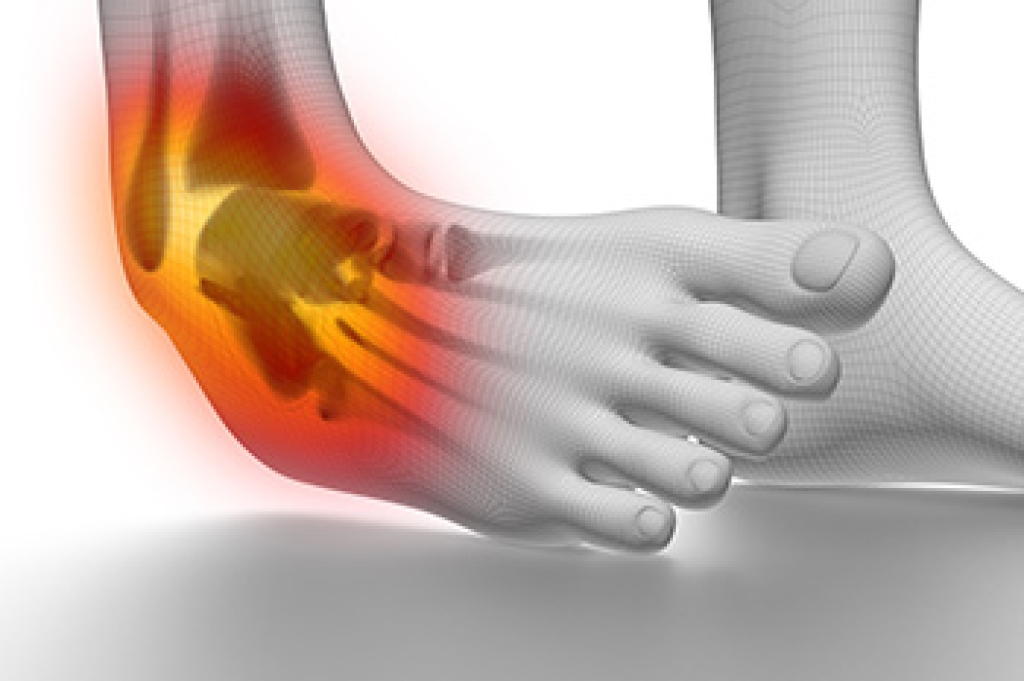
Tarsal Tunnel Syndrome and Posterior Tibial Nerve Pain

Tarsal tunnel syndrome is a condition that occurs when the posterior tibial nerve becomes compressed as it passes through the tarsal tunnel near the inner ankle. This nerve compression can cause pain that radiates along the arch, heel, or toes. Common symptoms include burning sensations, tingling, numbness, sharp pain, or aching that worsens with walking or prolonged standing. Causes may include flat feet, swelling, injury, cysts, varicose veins, or inflammation that increases pressure within the tarsal tunnel. A podiatrist can perform a thorough evaluation to identify the source of nerve irritation and confirm the diagnosis. Treatment may include wearing supportive footwear, custom orthotics, activity modification, and targeted therapies to relieve pressure on the nerve. Early care helps reduce discomfort and prevent long-term nerve damage. If you have pain near the inner ankle, it is suggested that you consult a podiatrist who can accurately diagnose and treat what may be going on.

Tarsal tunnel syndrome can be very uncomfortable to live with. If you are experiencing tarsal tunnel syndrome, contact one of our podiatrists of Bergen Foot & Ankle. Our doctors can provide the care you need to keep you pain-free and on your feet.

Tarsal Tunnel Syndrome

Tarsal tunnel syndrome, which can also be called tibial nerve dysfunction, is an uncommon condition of misfiring peripheral nerves in the foot. The tibial nerve is the peripheral nerve in the leg responsible for sensation and movement of the foot and calf muscles. In tarsal tunnel syndrome, the tibial nerve is damaged, causing problems with movement and feeling in the foot of the affected leg.

Common Cause of Tarsal Tunnel Syndrome

  • Involves pressure or an injury, direct pressure on the tibial nerve for an extended period of time, sometimes caused by other body structures close by or near the knee.
  • Diseases that damage nerves, including diabetes, may cause tarsal tunnel syndrome.
  • At times, tarsal tunnel syndrome can appear without an obvious cause in some cases.

The Effects of Tarsal Tunnel Syndrome

  • Different sensations, an afflicted person may experience pain, tingling, burning or other unusual sensations in the foot of the affected leg.
  • The foot muscles, toes and ankle become weaker, and curling your toes or flexing your foot can become difficult.
  • If condition worsens, infections and ulcers may develop on the foot that is experiencing the syndrome.

A physical exam of the leg can help identify the presence of tarsal tunnel syndrome. Medical tests, such as a nerve biopsy, are also used to diagnose the condition. Patients may receive physical therapy and prescriptive medication. In extreme cases, some may require surgery.

If you have any questions please contact our offices located in Fort Lee, NJ and Flushing, NY . We offer the newest diagnostic and treatment technologies for all your foot and ankle needs.

Read more about Treating Tarsal Tunnel Syndrome

When a Nail Causes More Than Annoyance

Ingrown toenails are a frequent foot issue where the edge of a toenail grows into the surrounding skin, most often affecting the big toe. The area may look red or shiny, and in more advanced cases there may be drainage, infection, or overgrown skin along the nail border. It often feels sore at first, then progresses to sharp pain, throbbing, and discomfort when walking or wearing shoes. Causes include improper nail trimming, tight or narrow footwear, and genetic factors. A podiatrist can help from the start by accurately diagnosing the condition and determining whether infection is present. Treatment options include proper nail care, reducing inflammation, and relieving pressure. In-office procedures may be employed to remove the ingrown portion of the nail, followed by preventive guidance and long-term solutions in more severe cases. Prompt care helps relieve pain and prevent complications. If you have a painful ingrown toenail, it is suggested that you make an appointment with a podiatrist.

Ingrown toenails can become painful if they are not treated properly. For more information about ingrown toenails, contact one of our podiatrists of Bergen Foot & Ankle. Our doctors can provide the care you need to keep you pain-free and on your feet.

Ingrown Toenails

Ingrown toenails occur when a toenail grows sideways into the bed of the nail, causing pain, swelling, and possibly infection.

Causes

  • Bacterial infections
  • Improper nail cutting such as cutting it too short or not straight across
  • Trauma to the toe, such as stubbing, which causes the nail to grow back irregularly
  • Ill-fitting shoes that bunch the toes too close together
  • Genetic predisposition

Prevention

Wearing proper fitting shoes and using proper cutting techniques will also help decrease your risk of developing ingrown toenails.

Treatment

Ingrown toenails are a very treatable foot condition. In minor cases, soaking the affected area in salt or antibacterial soaps will not only help with the ingrown nail itself, but also help prevent any infections from occurring. In more severe cases, surgery is an option. In either case, speaking to your podiatrist about this condition will help you get a better understanding of specific treatment options that are right for you.

If you have any questions, please feel free to contact our offices located in Fort Lee, NJ and Flushing, NY . We offer the newest diagnostic and treatment technologies for all your foot care needs.

Read more about Ingrown Toenail Care

Foot and Ankle Injuries in Padel Players

Padel is a fast-growing racquet sport that blends elements of tennis and squash, played on a smaller enclosed court with quick directional changes and constant lateral movement. Because the game relies on rapid pivots, sudden stops, and explosive pushes off the foot, it places notable stress on the lower extremities. Many players develop issues such as ankle sprains from twisting on the enclosed court surface, peroneal tendon irritation from repeated side-to-side motions, or plantar fasciitis caused by continuous impact during rallies. Stress to the forefoot can also lead to metatarsalgia or aggravate bunions and hammertoes, especially in players wearing tight or unsupportive shoes. Early recognition of soreness, swelling, or instability is key, since untreated injuries can worsen quickly in such a dynamic sport. It is suggested that you see a podiatrist if ankle or foot pain persists, as prompt care helps maintain comfort, performance, and long-term foot health.

Ankle and foot injuries are common among athletes and in many sports. They can be caused by several problems and may be potentially serious. If you are feeling pain or think you were injured in a sporting event or when exercising, consult with one of our podiatrists from Bergen Foot & Ankle. Our doctors will assess your condition and provide you with quality foot and ankle treatment.

Common Injuries

The most common injuries that occur in sporting activities include:

  • Achilles Tendonitis
  • Achilles Tendon Rupture
  • Ankle Sprains
  • Broken Foot
  • Plantar Fasciitis
  • Stress Fractures
  • Turf Toe

Symptoms

Symptoms vary depending upon the injury and in some cases, there may be no symptoms at all. However, in most cases, some form of symptom is experienced. Pain, aching, burning, bruising, tenderness, tightness or stiffness, sensation loss, difficulty moving, and swelling are the most common symptoms.

Treatment

Just as symptoms vary depending upon the injury, so do treatment options. A common treatment method is known as the RICE method. This method involves rest, applying ice, compression and elevating the afflicted foot or ankle. If the injury appears to be more serious, surgery might be required, such as arthroscopic or reconstructive surgery. Lastly, rehabilitation or therapy might be needed to gain full functionality in the afflicted area. Any discomfort experienced by an athlete must be evaluated by a licensed, reputable medical professional.  

If you have any questions please contact our offices located in Fort Lee, NJ and Flushing, NY . We offer the newest diagnostic and treatment technologies for all your foot and ankle needs.

Read more about Sports Related Foot and Ankle Injuries

Clubfoot and Podiatric Care

Clubfoot is a congenital foot deformity in which a baby is born with one or both feet twisted inward and downward. The condition affects the bones, muscles, tendons, and ligaments, causing the foot to appear stiff and misaligned. Causes are not always known, but genetics, neuromuscular conditions, and developmental factors during pregnancy may play a role. Symptoms include an abnormal foot position, limited range of motion, differences in foot size, and difficulty bearing weight as a child grows. Without treatment, clubfoot can lead to pain and problems with walking. A podiatrist can help by diagnosing the condition early and coordinating appropriate care. Treatment may include gentle stretching, casting, bracing, and long-term monitoring to support proper development. If your child shows signs of clubfoot or abnormal foot positioning, it is strongly suggested that you include a podiatrist on your health care team to ensure an effective growth and mobility.

Congenital foot problems require immediate attention to avoid future complications. If you have any concerns, contact one of our podiatrists of Bergen Foot & Ankle. Our doctors can provide the care you need to keep you pain-free and on your feet.

Congenital foot problems are deformities affecting the feet, toes, and/or ankles that children are born with. Some of these conditions have a genetic cause while others just happen. Some specific foot ailments that children may be born with include clubfeet, polydactyly/macrodactyly, and cleft foot. There are several other foot anomalies that can occur congenitally. What all of these conditions have in common is that a child may experience difficulty walking or performing everyday activities, as well as trouble finding footwear that fits their foot deformity. Some of these conditions are more serious than others. Consulting with a podiatrist as early as possible will help in properly diagnosing a child’s foot condition while getting the necessary treatment underway.

What are Causes of Congenital Foot Problem?

A congenital foot problem is one that happens to a child at birth. These conditions can be caused by a genetic predisposition, developmental or positional abnormalities during gestation, or with no known cause.

What are Symptoms of Congenital Foot Problems?

Symptoms vary by the congenital condition. Symptoms may consist of the following:

  • Clubfoot, where tendons are shortened, bones are shaped differently, and the Achilles tendon is tight, causing the foot to point in and down. It is also possible for the soles of the feet to face each other.
  • Polydactyly, which usually consists of a nubbin or small lump of tissue without a bone, a toe that is partially formed but has no joints, or an extra toe.
  • Vertical talus, where the talus bone forms in the wrong position causing other bones in the foot to line up improperly, the front of the foot to point up, and the bottom of the foot to stiffen, with no arch, and to curve out.
  • Tarsal coalition, when there is an abnormal connection of two or more bones in the foot leading to severe, rigid flatfoot.
  • Cleft foot, where there are missing toes, a V-shaped cleft, and other anatomical differences.
  • Macrodactyly, when the toes are abnormally large due to overgrowth of the underlying bone or soft tissue.

Treatment and Prevention

While there is nothing one can do to prevent congenital foot problems, raising awareness and receiving neonatal screenings are important. Early detection by taking your child to a podiatrist leads to the best outcome possible.

If you have any questions, please feel free to contact our offices located in Fort Lee, NJ and Flushing, NY . We offer the newest diagnostic and treatment technologies for all your foot care needs.

Read more about Congenital Foot Problems

Connect With Us

Advanced Podiatric Procedures & Services in Flushing, NY 11355 and Fort Lee, NJ 07024