Webbed Toes and How They Affect Foot Function

Webbed toes, medically known as syndactyly, refer to a condition in which two or more toes are joined together by soft tissue. This occurs when toe separation is incomplete during fetal development. The condition can vary in severity and may involve only skin or include other structures like bones, blood vessels, muscles, and nerves. While many cases are harmless, some individuals experience discomfort depending on the degree of fusion and how the toes function during walking or standing.

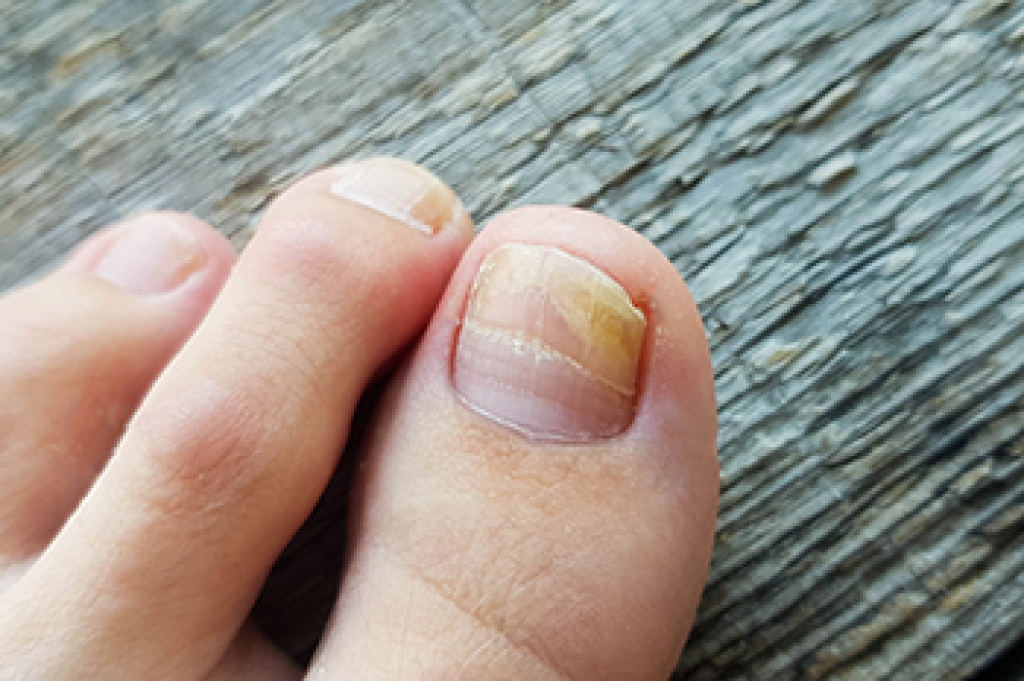
Symptoms of webbed toes depend on the type and severity of the condition. Some individuals have no pain and only notice the appearance, while others may experience pressure, irritation, or difficulty fitting into shoes. Risk factors are often genetic, as syndactyly can run in families. Down syndrome is a common factor. There are three primary types, including simple, complex, and complicated forms. Simple syndactyly involves only soft tissue, while complex cases include bone involvement, and complicated cases may affect nail structure or alignment.


Proper footwear plays an important role in managing this condition. Shoes with a wide toe box help reduce pressure and allow the toes to rest in a natural position. Tight or narrow shoes can increase friction and lead to irritation or callus formation. In some cases, medical correction may be considered, especially if the condition interferes with function or causes persistent discomfort. Surgical separation is often performed during childhood but may also be an option later in life depending on individual needs.


The key takeaway is that webbed toes are often manageable with the right support and care. Understanding the type and severity helps guide treatment decisions and improve comfort. Early evaluation ensures proper foot development and long-term foot health. If you have webbed toes that are causing discomfort, it is suggested you consult a podiatrist for an accurate diagnosis and appropriate treatment.

Congenital foot problems require immediate attention to avoid future complications. If you have any concerns, contact one of our podiatrists of Bergen Foot & Ankle. Our doctors can provide the care you need to keep you pain-free and on your feet.

Congenital foot problems are deformities affecting the feet, toes, and/or ankles that children are born with. Some of these conditions have a genetic cause while others just happen. Some specific foot ailments that children may be born with include clubfeet, polydactyly/macrodactyly, and cleft foot. There are several other foot anomalies that can occur congenitally. What all of these conditions have in common is that a child may experience difficulty walking or performing everyday activities, as well as trouble finding footwear that fits their foot deformity. Some of these conditions are more serious than others. Consulting with a podiatrist as early as possible will help in properly diagnosing a child’s foot condition while getting the necessary treatment underway.

What are Causes of Congenital Foot Problem?

A congenital foot problem is one that happens to a child at birth. These conditions can be caused by a genetic predisposition, developmental or positional abnormalities during gestation, or with no known cause.

What are Symptoms of Congenital Foot Problems?

Symptoms vary by the congenital condition. Symptoms may consist of the following:

  • Clubfoot, where tendons are shortened, bones are shaped differently, and the Achilles tendon is tight, causing the foot to point in and down. It is also possible for the soles of the feet to face each other.
  • Polydactyly, which usually consists of a nubbin or small lump of tissue without a bone, a toe that is partially formed but has no joints, or an extra toe.
  • Vertical talus, where the talus bone forms in the wrong position causing other bones in the foot to line up improperly, the front of the foot to point up, and the bottom of the foot to stiffen, with no arch, and to curve out.
  • Tarsal coalition, when there is an abnormal connection of two or more bones in the foot leading to severe, rigid flatfoot.
  • Cleft foot, where there are missing toes, a V-shaped cleft, and other anatomical differences.
  • Macrodactyly, when the toes are abnormally large due to overgrowth of the underlying bone or soft tissue.

Treatment and Prevention

While there is nothing one can do to prevent congenital foot problems, raising awareness and receiving neonatal screenings are important. Early detection by taking your child to a podiatrist leads to the best outcome possible.

If you have any questions, please feel free to contact our offices located in Fort Lee, NJ and Flushing, NY . We offer the newest diagnostic and treatment technologies for all your foot care needs.

Read more about Congenital Foot Problems

Do Your Child's Feet Hurt?

Have your child's feet been examined lately? Healthy feet are happy feet. If your child is complaining of foot pain, it may be a sign of underlying problems.

Orthotics for Foot Pain

Orthotics are specially designed shoe inserts that improve the way the feet support the body while standing and walking. They help control foot movement, reduce pressure, and improve balance. Unlike simple insoles, orthotics are designed to match a person's foot shape and movement patterns. A podiatrist examines the feet, watches how you walk, and identifies areas of extra stress before recommending treatment. Orthotics can help relieve pain caused by problems like plantar fasciitis, flat feet, and arthritis. They also reduce strain on joints by improving foot alignment. Better alignment helps the feet work more efficiently and can make everyday activities more comfortable. Research also shows that properly prescribed orthotics improve function and reduce pain for many patients with foot conditions.

Orthotics come in different designs to meet different needs. Some are custom-made after a detailed assessment, while others are prefabricated and selected for specific foot problems. A podiatrist determines which option provides the best support based on your symptoms, foot structure, and activity level. Custom orthotics provide a more precise fit for complex conditions. Prefabricated devices can also provide meaningful relief for certain patients. Modern materials allow orthotics to remain lightweight, durable, and comfortable while fitting inside many styles of shoes. Proper fit is important because shoes that lack proper support or fit too tightly can reduce the benefits of orthotics.

A podiatrist also checks how orthotics perform after they are prescribed and makes adjustments when necessary to improve comfort and function. Regular follow-up visits help confirm that the devices continue supporting the feet correctly. Orthotics can reduce stress on painful areas, improve stability, and help people stay active with greater confidence. Early evaluation also helps address foot problems before they become more difficult to manage. If you have symptoms of foot pain or a condition that could benefit from orthotics, it is suggested that you schedule an appointment with a podiatrist who can determine what type of orthotics are right for you.

If you are having discomfort in your feet and would like to try orthotics, contact one of our podiatrists from Bergen Foot & Ankle. Our doctors can provide the care you need to keep you pain-free and on your feet.

What Are Orthotics?

Orthotics are inserts you can place into your shoes to help with a variety of foot problems such as flat feet or foot pain. Orthotics provide relief and comfort for minor foot and heel pain but can’t correct serious biomechanical problems in your feet.

Over-the-Counter Inserts

Orthotics come in a wide variety of over-the-counter inserts that are used to treat foot pain, heel pain, and minor problems. For example, arch supports can be inserted into your shoes to help correct overarched or flat feet, while gel insoles are often used because they provide comfort and relief from foot and heel pain by alleviating pressure.

Prescription Orthotics

If over-the-counter inserts don’t work for you or if you have a more severe foot concern, it is possible to have your podiatrist prescribe custom orthotics. These high-quality inserts are designed to treat problems such as abnormal motion, plantar fasciitis, and severe forms of heel pain. They can even be used to help patients suffering from diabetes by treating foot ulcers and painful calluses and are usually molded to your feet individually, which allows them to provide full support and comfort.

If you are experiencing minor to severe foot or heel pain, it’s recommended to speak with your podiatrist about the possibilities of using orthotics. A podiatrist can determine which type of orthotic is right for you and allow you to take the first steps towards being pain-free.

If you have any questions, please feel free to contact our offices located in Fort Lee, NJ and Flushing, NY . We offer the newest diagnostic and treatment technologies for all your foot care needs.

Read more about Foot Orthotics

Achilles Tendon Injuries and When to See a Podiatrist

Achilles tendon injuries can make every step painful because this strong, fibrous band connects the calf muscles to the heel bone. It provides the strength and flexibility needed for running, jumping, and walking. The tendon handles significant stress during daily activities and sports, making it vulnerable to injury. When the tendon becomes inflamed, swollen, and irritated, the condition is called tendonitis. Repeated strain, tight calf muscles, or a sudden increase in activity can all contribute to tendon damage. A bone spur where the tendon attaches to the heel can also increase irritation. 

Achilles tendon injuries include inflammation, partial tears, and complete ruptures. Inflammation, or tendonitis, causes pain along the back of the leg near the heel. Other symptoms are swelling, thickening of the tendon, or discomfort that becomes worse with activity. There are two forms of tendonitis. One affects the middle portion of the tendon, while the other develops where the tendon attaches to the heel bone. A rupture is more serious and can produce a sudden sharp pain along with a popping sound in the back of the ankle or calf. This type of injury requires immediate medical attention because the tendon can no longer function normally.

A podiatrist performs a detailed examination to determine the exact cause of Achilles tendon pain. The evaluation includes checking the tendon for tenderness, swelling, and movement of the ankle. Imaging tests can confirm the extent of the injury and identify bone spurs or tendon tears. Treatment depends on the diagnosis and includes protecting the tendon and reducing stress on the injured area. Custom orthotics or surgery may be needed for severe ruptures or damage that cannot heal properly. Early diagnosis helps reduce complications and supports a safer return to normal activities. If you have injured your Achilles tendon, it is suggested that you schedule an appointment with a podiatrist for diagnosis and appropriate treatment.

Achilles tendon injuries need immediate attention to avoid future complications. If you have any concerns, contact one of our podiatrists of Bergen Foot & Ankle. Our doctors can provide the care you need to keep you pain-free and on your feet.

What Is the Achilles Tendon?

The Achilles tendon is a tendon that connects the lower leg muscles and calf to the heel of the foot. It is the strongest tendon in the human body and is essential for making movement possible. Because this tendon is such an integral part of the body, any injuries to it can create immense difficulties and should immediately be presented to a doctor.

What Are the Symptoms of an Achilles Tendon Injury?

There are various types of injuries that can affect the Achilles tendon. The two most common injuries are Achilles tendinitis and ruptures of the tendon.

Achilles Tendinitis Symptoms

  • Inflammation
  • Dull to severe pain
  • Increased blood flow to the tendon
  • Thickening of the tendon

Rupture Symptoms

  • Extreme pain and swelling in the foot
  • Total immobility

Treatment and Prevention

Achilles tendon injuries are diagnosed by a thorough physical evaluation, which can include an MRI. Treatment involves rest, physical therapy, and in some cases, surgery. However, various preventative measures can be taken to avoid these injuries, such as:

  • Thorough stretching of the tendon before and after exercise
  • Strengthening exercises like calf raises, squats, leg curls, leg extensions, leg raises, lunges, and leg presses

If you have any questions please feel free to contact our offices located in Fort Lee, NJ and Flushing, NY . We offer the newest diagnostic tools and technology to treat your foot and ankle needs.

Read more about What are Achilles Tendon Injuries

Sprained Ankle Symptoms and Treatment

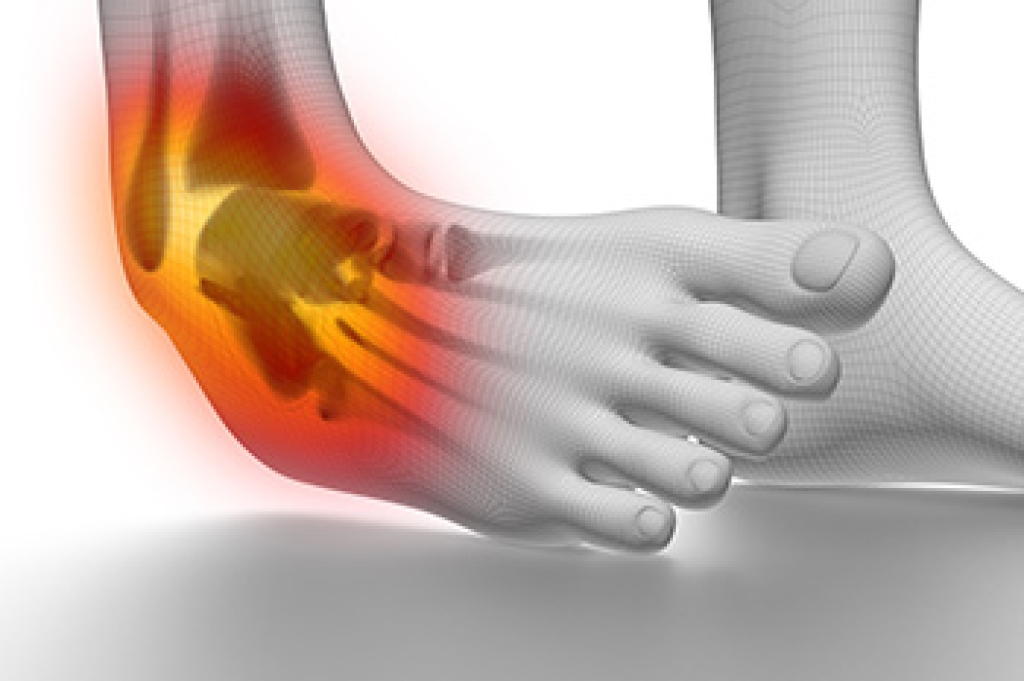
A sprained ankle is one of the most common injuries affecting the foot and ankle. It occurs when the ligaments, the strong bands of tissue that connect bones, are stretched or torn beyond their normal range. This injury usually happens when the foot twists, rolls, or turns suddenly. Sports activities, stepping on an uneven surface, and missing a step on a stairway or curb are frequent causes. Symptoms of a sprained ankle include pain, swelling, bruising, and tenderness. Some people have difficulty putting weight on the injured foot. Others notice stiffness and reduced movement in the ankle joint. The severity of a sprain can vary from a mild stretch of the ligament to a more serious tear.

A podiatrist can determine the extent of the injury through a physical examination. The ankle is carefully evaluated for swelling, stability, and range of motion. Diagnostic imaging, such as X-rays, may be used to rule out a fracture. In certain cases, an MRI, which is a detailed imaging test, helps identify damage to ligaments and nearby structures. Proper diagnosis is important because symptoms of a sprain can resemble those of other ankle injuries. Receiving prompt care can also reduce the risk of long-term instability. This condition occurs when the ankle repeatedly feels weak or gives way while walking.

Treatment depends on the severity of the sprain and the patient's activity level. A podiatrist may recommend a supportive brace, temporary activity restrictions, or other measures designed to protect the injured ankle while it heals. More severe ligament damage may require advanced treatment. Follow-up visits allow the podiatrist to monitor healing and determine when normal activities can safely resume. Early treatment can help improve stability, reduce discomfort, and support a smoother recovery. If you have symptoms of a sprained ankle, it is suggested that you schedule an appointment with a podiatrist for effective relief and treatment solutions.

Although ankle sprains are common, they aren’t always minor injuries. If you need your ankle injury looked at, contact one of our podiatrists from Bergen Foot & Ankle. Our doctors can provide the care you need to keep you pain-free and on your feet.

How Does an Ankle Sprain Occur?

Ankle sprains are the result of a tear in the ligaments within the ankle. These injuries may happen when you make a rapid shifting movement while your foot is planted. A less common way to sprain your ankle is when your ankle rolls inward while your foot turns outward.

What Are the Symptoms?

  • Pain at the sight of the tear
  • Bruising/Swelling
  • Ankle area is tender to touch
  • In severe cases, may hear/feel something tear
  • Skin discoloration

Preventing a Sprain

  • Wearing appropriate shoes for the occasion
  • Stretching before exercises and sports
  • Knowing your limits

Treatment of a Sprain

In many cases, the RICE method (Rest, Ice, Compression, and Elevate) is used to treat ankle sprains. However, you should see a podiatrist to see which treatment option would work best with your injury. In severe cases, surgery may be required.

It is important to ask your doctor about rehab options after you receive treatment for your injury. Stretching, strength training, and balance exercises may help the ankle heal while also preventing further injury.

If you have any questions, please feel free to contact our offices located in Fort Lee, NJ and Flushing, NY . We offer the newest diagnostic and treatment technologies for all your foot care needs.

Read more about Ankle Sprains

Connect With Us

Advanced Podiatric Procedures & Services in the