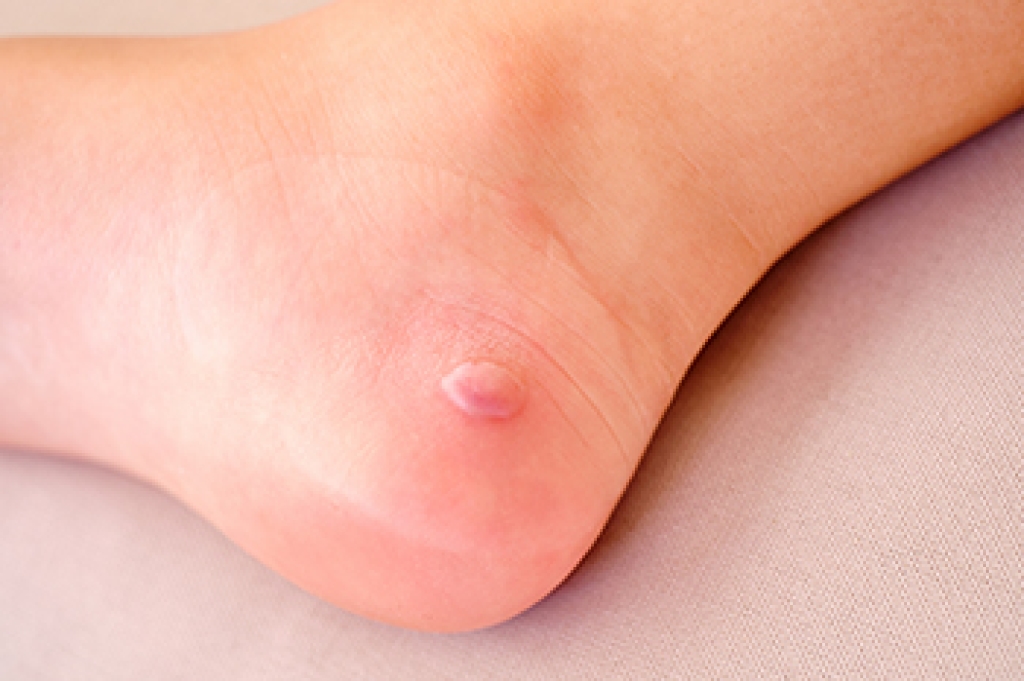
Why Foot Blisters Develop

Blisters on the feet develop when fluid collects beneath the outer layer of skin, forming a raised pocket that protects the tissue underneath. One of the most frequent causes is friction, which occurs when the skin repeatedly rubs against another surface. Tight shoes or footwear that does not fit properly may create enough pressure to cause a blister. These fluid-filled areas often appear on the heels, toes, or soles of the feet. Blisters on the feet may also develop from burns, exposure to extreme cold, or contact with irritating substances. Although many blisters heal without complications, larger or painful blisters may interfere with walking and everyday activities.


Foot blisters vary in size and appearance depending on their cause. Most contain clear fluid, although some may contain blood or pus. The surrounding skin may become tender, red, or irritated. Friction blisters often develop after repeated rubbing against the same area, particularly during activities involving extended walking or standing. When a blister breaks open, the exposed skin becomes more vulnerable to infection. Warning signs include increasing pain, swelling, and redness around the affected area. Pus draining from the blister may also indicate an infection. While minor blisters generally heal within one to two weeks, persistent irritation or infection may delay recovery and require professional attention.


A podiatrist examines foot blisters to determine their cause and assess the condition of the surrounding skin. Treatment focuses on protecting the affected area, relieving discomfort, and reducing the risk of infection. In certain cases, a podiatrist may professionally drain a large or painful blister using sterile equipment. Protective dressings may also be recommended to support healing and prevent additional irritation. Addressing repeated friction is important for individuals who frequently develop blisters. Popping a blister yourself is not recommended as it may lead to infection. If you are experiencing painful foot blisters or signs of infection, it is suggested that you consult a podiatrist for an evaluation and appropriate treatment options.

Blisters may appear as a single bubble or in a cluster. They can cause a lot of pain and may be filled with pus, blood, or watery serum. If your feet are hurting, contact one of our podiatrists of Bergen Foot & Ankle. Our doctors can provide the care you need to keep you pain-free and on your feet.

Foot Blisters

Foot blisters are often the result of friction. This happens due to the constant rubbing from shoes, which can lead to pain.

What Are Foot Blisters?

A foot blister is a small fluid-filled pocket that forms on the upper-most layer of the skin. Blisters are filled with clear fluid and can lead to blood drainage or pus if the area becomes infected.

Symptoms

(Blister symptoms may vary depending on what is causing them)

  • Bubble of skin filled with fluid
  • Redness
  • Moderate to severe pain
  • Itching

Prevention & Treatment

In order to prevent blisters, you should be sure to wear comfortable shoes with socks that cushion your feet and absorb sweat. Breaking a blister open may increase your chances of developing an infection. However, if your blister breaks, you should wash the area with soap and water immediately and then apply a bandage to the affected area. If your blisters cause severe pain it is important that you call your podiatrist right away.

If you have any questions, please feel free to contact our offices located in Fort Lee, NJ and Flushing, NY . We offer the newest diagnostic and treatment technologies for all your foot care needs.

Read more about Blisters on the Feet

Are You Suffering From Ingrown Toenails?

If left untreated, an ingrown toenail can lead to more serious concerns, such as an infection. Knowing proper nail care can help in the prevention of an ingrown toenail. Give us a call, and get treated!

Various Types of Toenail Fungus

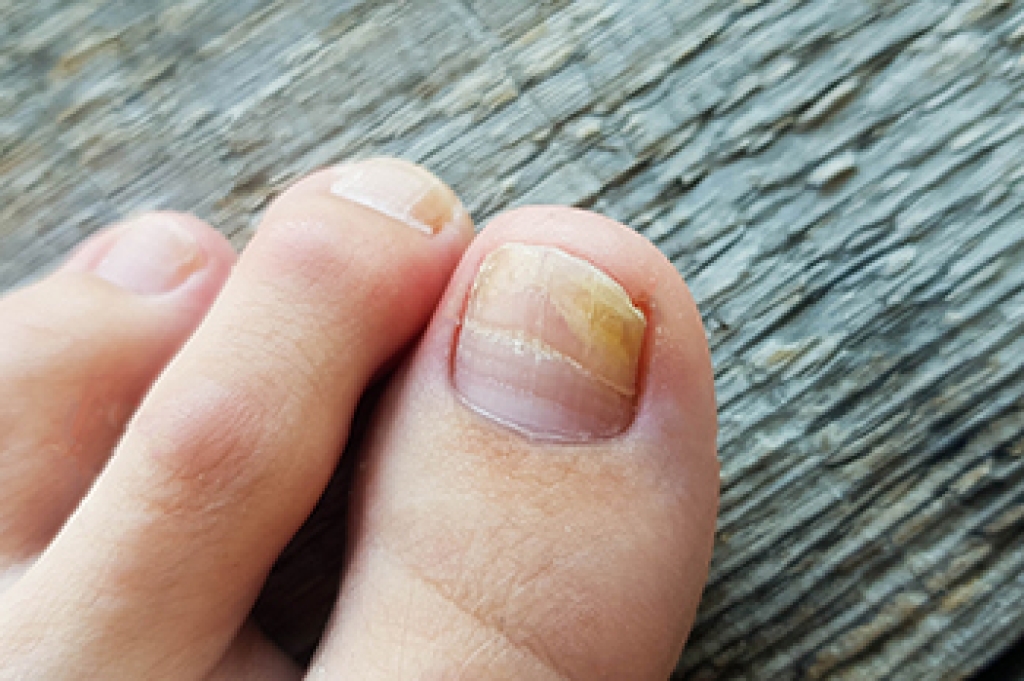
Toenail fungus, medically called onychomycosis, is an infection that can change the color, thickness, and texture of a toenail. It develops when fungi enter the nail through small cracks or openings around the nail. Several types of fungi can cause an infection, including dermatophytes, molds, and yeast. An infected nail may become yellow, white, or brown. It can also become thick, brittle, or separated from the nail bed. Early treatment can help prevent the infection from becoming more difficult to manage.

Dermatophytes are the most common cause of toenail fungus. These fungi feed on keratin, which is found in nails and skin. A dermatophyte infection often causes thickened nails with yellow or white discoloration. Mold can also infect toenails, particularly when the nail has been damaged. Mold infections may cause unusual colors and changes in nail texture. Yeast infections are less common, but can affect damaged nails. The nail may become discolored, thick, or distorted. Different infections can look similar, so appearance alone may not identify the exact cause.

Several risk factors can increase the chances of developing toenail fungus. Warm, damp environments allow fungi to grow easily. Wearing sweaty shoes, walking barefoot in communal areas, or having a previous nail injury can increase exposure. Older adults may also face greater risk because toenails grow more slowly. A podiatrist can examine the nail and may collect a sample for testing when needed. Treatment can then be selected based on the infection and its severity.

Treatment may involve prescription medication, topical therapy, or other options recommended by your podiatrist. Thickened portions of the nail may be trimmed or reduced to improve treatment access. Keeping feet clean and dry can also help protect healthy nails. Toenail fungus can take time to clear because nails grow slowly. If you have signs of toenail fungus, it is suggested that you consult a podiatrist for effective treatment solutions, which may include prescribed medication.

If left untreated, toenail fungus may spread to other toenails, skin, or even fingernails. If you suspect you have toenail fungus it is important to seek treatment right away. For more information about treatment, contact one of our podiatrists of Bergen Foot & Ankle. Our doctors can provide the care you need to keep you pain-free and on your feet.

Symptoms

  • Warped or oddly shaped nails
  • Yellowish nails
  • Loose/separated nail
  • Buildup of bits and pieces of nail fragments under the nail
  • Brittle, broken, thickened nail

Treatment

If self-care strategies and over-the-counter medications does not help your fungus, your podiatrist may give you a prescription drug instead. Even if you find relief from your toenail fungus symptoms, you may experience a repeat infection in the future.

Prevention

In order to prevent getting toenail fungus in the future, you should always make sure to wash your feet with soap and water. After washing, it is important to dry your feet thoroughly especially in between the toes. When trimming your toenails, be sure to trim straight across instead of in a rounded shape. It is crucial not to cover up discolored nails with nail polish because that will prevent your nail from being able to “breathe”.

In some cases, surgical procedure may be needed to remove the toenail fungus. Consult with your podiatrist about the best treatment options for your case of toenail fungus.  

If you have any questions please contact our offices located in Fort Lee, NJ and Flushing, NY . We offer the newest diagnostic and treatment technologies for all your foot and ankle needs.

Read more about Toenail Fungus

Ankle Sprains in Young Athletes

An ankle sprain occurs when the ligaments supporting the ankle are stretched or torn. Children and teenagers can develop sprains during sports, play, or daily activities. A sudden twist, awkward landing, or collision can force the ankle beyond its normal range. Symptoms may include pain, swelling, and trouble putting weight on the foot. Some sprains are mild, while others can cause significant ligament damage.

Sports are a common cause of ankle sprains in young people. Basketball, soccer, and running can involve quick movements that stress the ankle. Uneven surfaces and awkward landings may also increase injury risk. A previous ankle sprain can make another injury more likely, especially when the ankle has not fully healed. Children with repeated pain or ankle instability should receive an evaluation instead of playing through symptoms.

Some injuries require prompt attention because they may involve a fracture or another serious problem. Severe pain, major swelling, or the inability to bear weight can signal a trauma emergency. A podiatrist will review how the injury happened and examine the foot and ankle. Imaging tests may be recommended when a fracture is suspected. Treatment may include rest, compression, or wearing supportive footwear. Follow-up visits can help monitor healing.

Returning to sports too soon can increase the chance of another sprain. Children should gradually resume activities after pain and swelling improve. The ankle should also regain normal movement and strength before returning to demanding sports. Parents can watch for continued limping, swelling, or pain after an injury. Early treatment can help reduce the chance of lasting ankle problems. If your child or teenager has sustained an ankle sprain, it is suggested that you consult a podiatrist for effective relief and treatment solutions.

Ankle sprains are common but need immediate attention. If you need your feet checked, contact one of our podiatrists from Bergen Foot & Ankle. Our doctors can provide the care you need to keep you pain-free and on your feet.

How Does an Ankle Sprain Occur?

Ankle sprains take place when the ligaments in your ankle are torn or stretched beyond their limits. There are multiple ways that the ankle can become injured, including twisting or rolling over onto your ankle, putting undue stress on it, or causing trauma to the ankle itself.

What Are the Symptoms?

  • Mild to moderate bruising
  • Limited mobility
  • Swelling
  • Discoloration of the skin (depending on severity)

Preventing a Sprain

  • Wearing appropriate shoes for the occasion
  • Stretching before exercises and sports
  • Knowing your limits

Treatment of a Sprain

Treatment of a sprain depends on the severity.  Many times, people are told to rest and remain off their feet completely, while others are given an air cast. If the sprain is very severe, surgery may be required.

If you have suffered an ankle sprain previously, you may want to consider additional support such as a brace and regular exercises to strengthen the ankle.

If you have any questions please feel free to contact our offices located in Fort Lee, NJ and Flushing, NY . We offer the newest diagnostic tools and technology to treat your foot and ankle needs.

Read more about Three Grades of Ankle Sprains

Proper Use of Assistive Devices for Safer Walking

Foot or ankle injuries can make each step painful and unsteady. A cane, crutches, or a walker can reduce pressure on the injured area while supporting safer movement. These devices are used after fractures, severe sprains, and tendon injuries. The right choice depends on the injury and how much weight the patient can safely place on the affected foot. Poor fit or technique can place extra stress on the injury and increase the risk of falling.

Proper fit helps protect the foot or ankle while it heals. Cane and walker handles usually reach the wrist crease when a patient stands upright, with the elbows slightly bent. Crutches should sit below the armpits, and body weight should rest on the hands. A cane is held on the side opposite the injured foot or ankle. When using a walker, patients should place it a short distance ahead before stepping into its center. Rubber tips should be checked for wear because damaged parts can slip. Patients should follow instructions about whether they can place full, partial, or no weight on the injured side.

A podiatrist can examine the injured foot or ankle and assess balance. This evaluation helps determine which device provides the right level of support. The podiatrist can adjust its height, explain safe movement, and check whether shoes fit securely. Guidance can cover rising from a chair, managing stairs, and moving across uneven ground. New pain, swelling, or numbness can mean too much pressure is reaching the injury. Skin irritation can also develop where a device rubs against the body. A podiatrist can identify these problems and make adjustments that protect the injured area. Follow-up visits allow the podiatrist to check healing and decide whether the walking aid should still be used. If you need a cane, crutches, or a walker, it is suggested that you schedule an appointment with a podiatrist for guidance on proper use and adjustments.

If you are having discomfort in your feet and would like to try orthotics, contact one of our podiatrists from Bergen Foot & Ankle. Our doctors can provide the care you need to keep you pain-free and on your feet.

What Are Orthotics?

Orthotics are inserts you can place into your shoes to help with a variety of foot problems such as flat feet or foot pain. Orthotics provide relief and comfort for minor foot and heel pain but can’t correct serious biomechanical problems in your feet.

Over-the-Counter Inserts

Orthotics come in a wide variety of over-the-counter inserts that are used to treat foot pain, heel pain, and minor problems. For example, arch supports can be inserted into your shoes to help correct overarched or flat feet, while gel insoles are often used because they provide comfort and relief from foot and heel pain by alleviating pressure.

Prescription Orthotics

If over-the-counter inserts don’t work for you or if you have a more severe foot concern, it is possible to have your podiatrist prescribe custom orthotics. These high-quality inserts are designed to treat problems such as abnormal motion, plantar fasciitis, and severe forms of heel pain. They can even be used to help patients suffering from diabetes by treating foot ulcers and painful calluses and are usually molded to your feet individually, which allows them to provide full support and comfort.

If you are experiencing minor to severe foot or heel pain, it’s recommended to speak with your podiatrist about the possibilities of using orthotics. A podiatrist can determine which type of orthotic is right for you and allow you to take the first steps towards being pain-free.

If you have any questions, please feel free to contact our offices located in Fort Lee, NJ and Flushing, NY . We offer the newest diagnostic and treatment technologies for all your foot care needs.

Read more about Ankle Foot Orthotics for Athletes

Connect With Us

Advanced Podiatric Procedures & Services in the