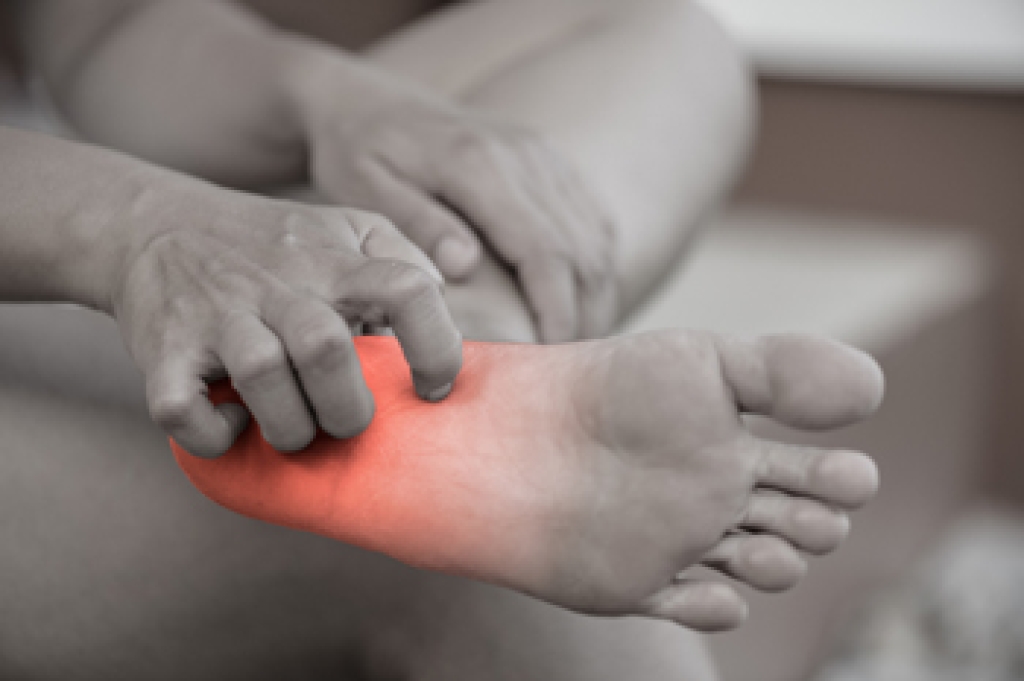
How Peripheral Neuropathy Affects the Feet

Peripheral neuropathy affects the nerves in the feet, leading to symptoms such as tingling, burning pain, numbness, and weakness. This occurs when the nerves that transmit signals between the brain and feet become damaged, disrupting normal sensation and muscle function. Common causes of peripheral neuropathy include diabetes, injury, infections, and certain medications. People with peripheral neuropathy may feel as if they are wearing socks when barefoot or experience difficulty maintaining balance. The condition often worsens at night, making foot pain more noticeable. Nerve damage can also weaken the muscles in the feet and ankles, leading to instability and increasing the risk of falling. If left untreated, neuropathy may contribute to foot ulcers or deformities due to a lack of sensation and pressure awareness. A podiatrist can assess your nerve function, identify underlying causes, and recommend treatment options to help manage symptoms and prevent complications. In severe cases, surgery may be necessary to relieve nerve compression. If you experience numbness and tingling in the feet, it is suggested that you promptly schedule an appointment with a podiatrist for an exam and appropriate treatment.

Neuropathy

Neuropathy can be a potentially serious condition, especially if it is left undiagnosed. If you have any concerns that you may be experiencing nerve loss in your feet, consult with one of our podiatrists  from Bergen Foot & Ankle. Our doctors will assess your condition and provide you with quality foot and ankle treatment for neuropathy.

What Is Neuropathy?

Neuropathy is a condition that leads to damage to the nerves in the body. Peripheral neuropathy, or neuropathy that affects your peripheral nervous system, usually occurs in the feet. Neuropathy can be triggered by a number of different causes. Such causes include diabetes, infections, cancers, disorders, and toxic substances.

Symptoms of Neuropathy Include:

  • Numbness
  • Sensation loss
  • Prickling and tingling sensations
  • Throbbing, freezing, burning pains
  • Muscle weakness

Those with diabetes are at serious risk due to being unable to feel an ulcer on their feet. Diabetics usually also suffer from poor blood circulation. This can lead to the wound not healing, infections occurring, and the limb may have to be amputated.

Treatment

To treat neuropathy in the foot, podiatrists will first diagnose the cause of the neuropathy. Figuring out the underlying cause of the neuropathy will allow the podiatrist to prescribe the best treatment, whether it be caused by diabetes, toxic substance exposure, infection, etc. If the nerve has not died, then it’s possible that sensation may be able to return to the foot.

Pain medication may be issued for pain. Electrical nerve stimulation can be used to stimulate nerves. If the neuropathy is caused from pressure on the nerves, then surgery may be necessary.

If you have any questions, please feel free to contact our offices located in Fort Lee, NJ and Flushing, NY . We offer the newest diagnostic and treatment technologies for all your foot care needs.


Read more about Neuropathy

Reasons Why Ankles May Hurt After Cycling

Cycling, while a low-impact activity, can still lead to various ankle injuries. Achilles tendinitis is a frequent issue, caused by overuse or wearing improper footwear, leading to pain and inflammation in the Achilles tendon. Plantar fasciitis, another common condition, results from repetitive stress on the foot arch, causing heel pain. Metatarsalgia involves pain in the ball of the foot, often caused by poor bike fit or pressure on the toes. Numbness in the feet can also occur, often due to prolonged pressure or improper foot positioning. Ankle sprains, typically caused by sudden twists or improper bike handling, can result in ligament damage. Additionally, fractures may occur from falls or accidents, particularly if the ankle is subjected to forceful impact. If you have ankle pain while cycling, it is suggested that you consult a podiatrist who can effectively treat such conditions.

Sports related foot and ankle injuries require proper treatment before players can go back to their regular routines. For more information, contact one of our podiatrists of Bergen Foot & Ankle. Our doctors can provide the care you need to keep you pain-free and on your feet.

Sports Related Foot and Ankle Injuries

Foot and ankle injuries are a common occurrence when it comes to athletes of any sport. While many athletes dismiss the initial aches and pains, the truth is that ignoring potential foot and ankle injuries can lead to serious problems. As athletes continue to place pressure and strain the area further, a mild injury can turn into something as serious as a rupture and may lead to a permanent disability. There are many factors that contribute to sports related foot and ankle injuries, which include failure to warm up properly, not providing support or wearing bad footwear. Common injuries and conditions athletes face, including:

  • Plantar Fasciitis
  • Achilles Tendinitis
  • Achilles Tendon Rupture
  • Ankle Sprains

Sports related injuries are commonly treated using the RICE method. This includes rest, applying ice to the injured area, compression and elevating the ankle. More serious sprains and injuries may require surgery, which could include arthroscopic and reconstructive surgery. Rehabilitation and therapy may also be required in order to get any recovering athlete to become fully functional again. Any unusual aches and pains an athlete sustains must be evaluated by a licensed, reputable medical professional.

If you have any questions please contact our offices located in Fort Lee, NJ and Flushing, NY . We offer the newest diagnostic and treatment technologies for all your foot and ankle needs.

Read more about Sports Related Foot And Ankle Injuries

Wearing the Right Shoes for Restaurant Work

For restaurant workers, wearing the right shoes is essential for comfort, safety, and overall well-being. These workers often spend long hours on their feet, which can lead to foot pain, fatigue, and even long-term health issues if the shoes worn do not provide adequate support. Proper footwear with cushioning helps absorb shock, reducing the impact on the feet, knees, and lower back. Non-slip shoes are especially important in restaurants to prevent accidents from spills and slippery floors. Additionally, shoes that offer proper arch support and a good fit can prevent conditions like blisters, bunions, and plantar fasciitis. If you have developed foot pain from wearing the wrong shoes during the workday, it is suggested that you consult a podiatrist who can offer effective relief tips, and guide you on the proper shoes to wear.

While working on the feet, it is important to take the proper care of them. For more information about working on your feet, contact one of our podiatrists from Bergen Foot & Ankle. Our doctors will treat your foot and ankle needs.

Working on Your Feet

Standing on your feet for long periods of time can cause stress and pain in your feet. Your whole body may experience change in terms of posture, back pain, bunions, callouses and or plantar warts. There are ways to avoid these conditions with proper foot care, smart choices and correct posture.

Positive Changes

Negative heeled shoe – Choosing this shoe type places the heel slightly lower than the ball of the foot. These are great for overall foot health. Find shoes that fit you correctly.

Go barefoot – Our feet were not designed to be enclosed for all hours of the day. Try to periodically expose your feet to air.

Eliminate Pain

Foot Exercises – Performing simple exercises, incorporating yoga and doing stretches are beneficial. This will allow increased blood flow to the area and muscles of the foot.

Achilles tendon – Stretching the foot out flat on the floor will relax the calf muscles and tendon. These exercises can be performed almost anywhere. Make sure you add these exercises to your daily regimen. 

With a little bit of this information and knowing more about foot health, you will notice changes. Foot stretches and proper footwear will help with pain and prevent further issues.

If you have any questions please contact our offices located in Fort Lee, NJ and Flushing, NY . We offer the newest diagnostic and treatment technologies for all your foot and ankle needs.

Read more about How to Handle a Long Work Day on Your Feet

How to Identify Gout

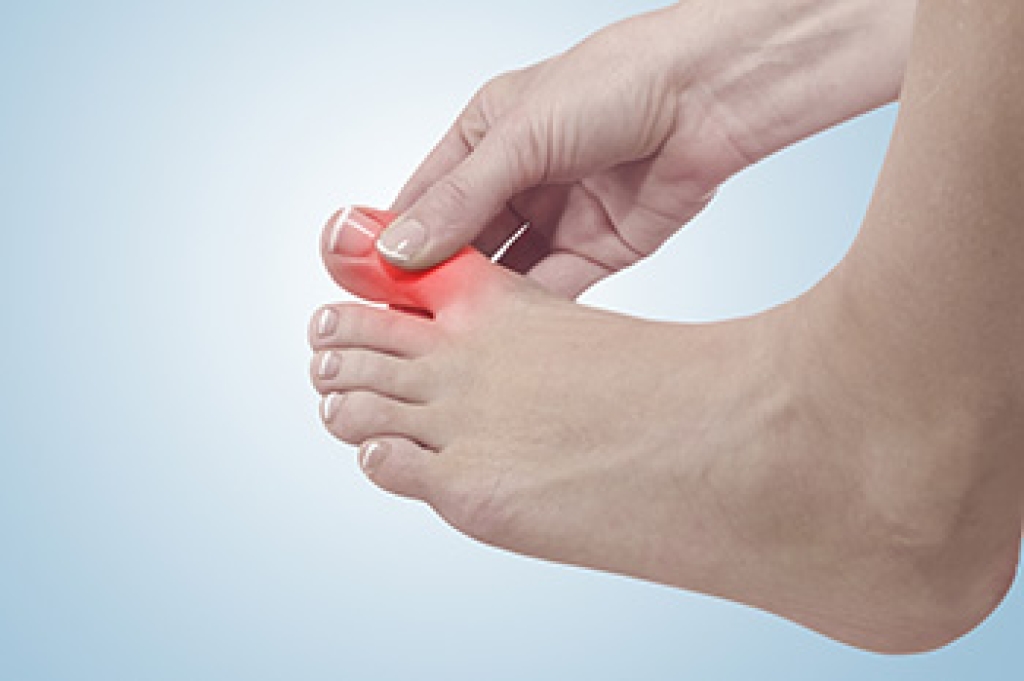
Gout is a form of arthritis that often affects the big toe, causing sudden and intense pain. It occurs when uric acid builds up in the bloodstream, forming sharp crystals in the joints. This usually happens when the body produces too much uric acid or does not excrete enough through the kidneys. Symptoms of gout in the big toe include extreme pain, swelling, redness, and warmth in the joint, typically occurring suddenly, often at night. The pain can be so intense that even the lightest touch, like the weight of a blanket, can feel unbearable. Treatment for gout involves medications to reduce inflammation and pain, such as NSAIDs, colchicine, or corticosteroids. Long-term management includes medications to lower uric acid levels and dietary changes, such as reducing alcohol and high-purine foods. A podiatrist can help manage gout, provide pain relief, and recommend lifestyle changes. If you are experiencing this condition, it is suggested that you make an appointment with a podiatrist.

Gout is a painful condition that can be treated. If you are seeking treatment, contact one of our podiatrists from Bergen Foot & Ankle. Our doctors will treat your foot and ankle needs.

What Is Gout?

Gout is a form of arthritis that is characterized by sudden, severe attacks of pain, redness, and tenderness in the joints. The condition usually affects the joint at the base of the big toe. A gout attack can occur at any random time, such as the middle of the night while you are asleep.

Symptoms

  • Intense Joint Pain - Usually around the large joint of your big toe, and it most severe within the first four to twelve hours
  • Lingering Discomfort - Joint discomfort may last from a few days to a few weeks
  • Inflammation and Redness -Affected joints may become swollen, tender, warm and red
  • Limited Range of Motion - May experience a decrease in joint mobility

Risk Factors

  • Genetics - If family members have gout, you’re more likely to have it
  • Medications - Diuretic medications can raise uric acid levels
  • Gender/Age - Gout is more common in men until the age of 60. It is believed that estrogen protects women until that point
  • Diet - Eating red meat and shellfish increases your risk
  • Alcohol - Having more than two alcoholic drinks per day increases your risk
  • Obesity - Obese people are at a higher risk for gout

Prior to visiting your podiatrist to receive treatment for gout, there are a few things you should do beforehand. If you have gout you should write down your symptoms--including when they started and how often you experience them, important medical information you may have, and any questions you may have. Writing down these three things will help your podiatrist in assessing your specific situation so that he or she may provide the best route of treatment for you.

If you have any questions, please feel free to contact our offices located in Fort Lee, NJ and Flushing, NY . We offer the newest diagnostic and treatment technologies for all your foot care needs.
Read more about Everything You Need to Know About Gout

Grades and Risk Factors for Ankle Sprains

Ankle sprains occur when the ligaments surrounding the ankle are stretched or torn. They can range from mild to severe, depending on the extent of the damage. There are three main grades of ankle sprains. A Grade 1 sprain involves slight stretching of the ligaments, often causing mild pain and swelling. A Grade 2 sprain indicates a partial tear, resulting in moderate pain, swelling, and difficulty walking. A Grade 3 sprain is the most severe, where the ligament is completely torn, leading to significant pain, swelling, and instability. Several risk factors can increase the likelihood of an ankle sprain, including engaging in sports that involve jumping, running, or sudden changes in direction. Wearing improper footwear and having weak or imbalanced muscles are other risk factors. Symptoms of an ankle sprain typically include pain, swelling, bruising, and difficulty moving the ankle. If you have ankle pain and feel you may have sprained your ankle, it is suggested that you consult a podiatrist who can provide an accurate diagnosis and treatment.

Ankle sprains are common but need immediate attention. If you need your feet checked, contact one of our podiatrists from Bergen Foot & Ankle. Our doctors can provide the care you need to keep you pain-free and on your feet.

How Does an Ankle Sprain Occur?

Ankle sprains take place when the ligaments in your ankle are torn or stretched beyond their limits. There are multiple ways that the ankle can become injured, including twisting or rolling over onto your ankle, putting undue stress on it, or causing trauma to the ankle itself.

What Are the Symptoms?

  • Mild to moderate bruising
  • Limited mobility
  • Swelling
  • Discoloration of the skin (depending on severity)

Preventing a Sprain

  • Wearing appropriate shoes for the occasion
  • Stretching before exercises and sports
  • Knowing your limits

Treatment of a Sprain

Treatment of a sprain depends on the severity.  Many times, people are told to rest and remain off their feet completely, while others are given an air cast. If the sprain is very severe, surgery may be required.

If you have suffered an ankle sprain previously, you may want to consider additional support such as a brace and regular exercises to strengthen the ankle.

If you have any questions please feel free to contact our offices located in Fort Lee, NJ and Flushing, NY . We offer the newest diagnostic tools and technology to treat your foot and ankle needs.

Read more about Ankle Sprains

Connect With Us

Advanced Podiatric Procedures & Services in Flushing, NY 11355 and Fort Lee, NJ 07024